If you’re considering plastic surgery, you’ve probably come across the recommendation that your Body Mass Index (BMI) should be 30 or under before most Board Certified Plastic Surgeons will operate. A BMI of 30 isn’t just a random number — there’s real science and safety behind it.
What is the Body Mass Index, (BMI)?
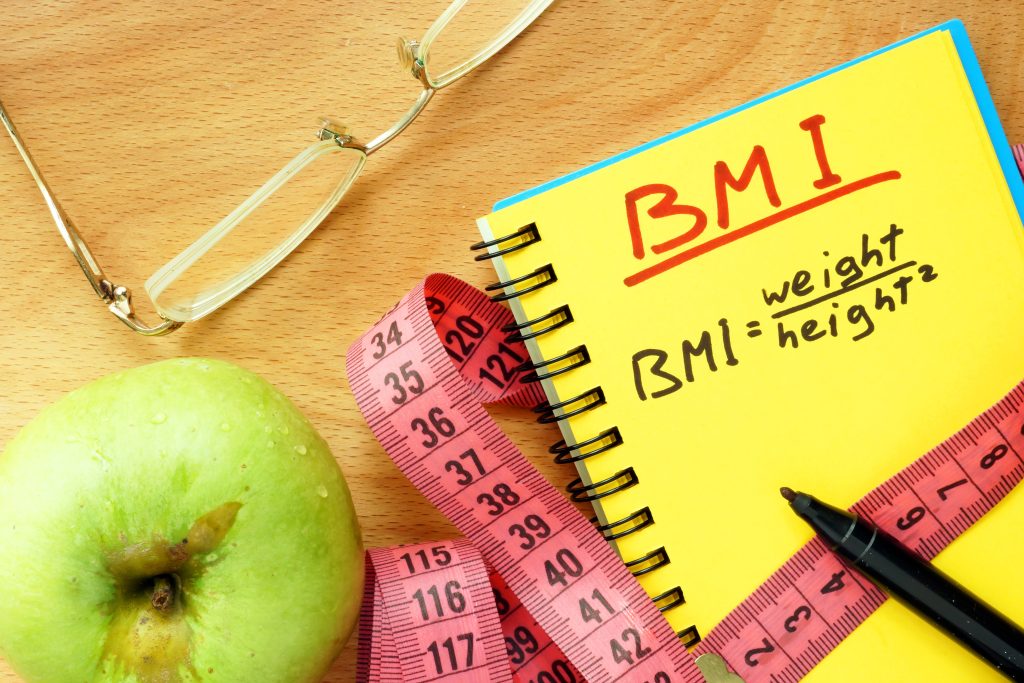
The Body Mass Index, (BMI), is a screening tool using height and weight to estimate body fat. The formula is: BMI = weight (kg) / [height (meters) squared].
For adults, BMI falls into these categories:
below 18.5 (underweight)
18.5-24.9 (normal)
25.0-29.9 (overweight)
30.0 and above (obese)
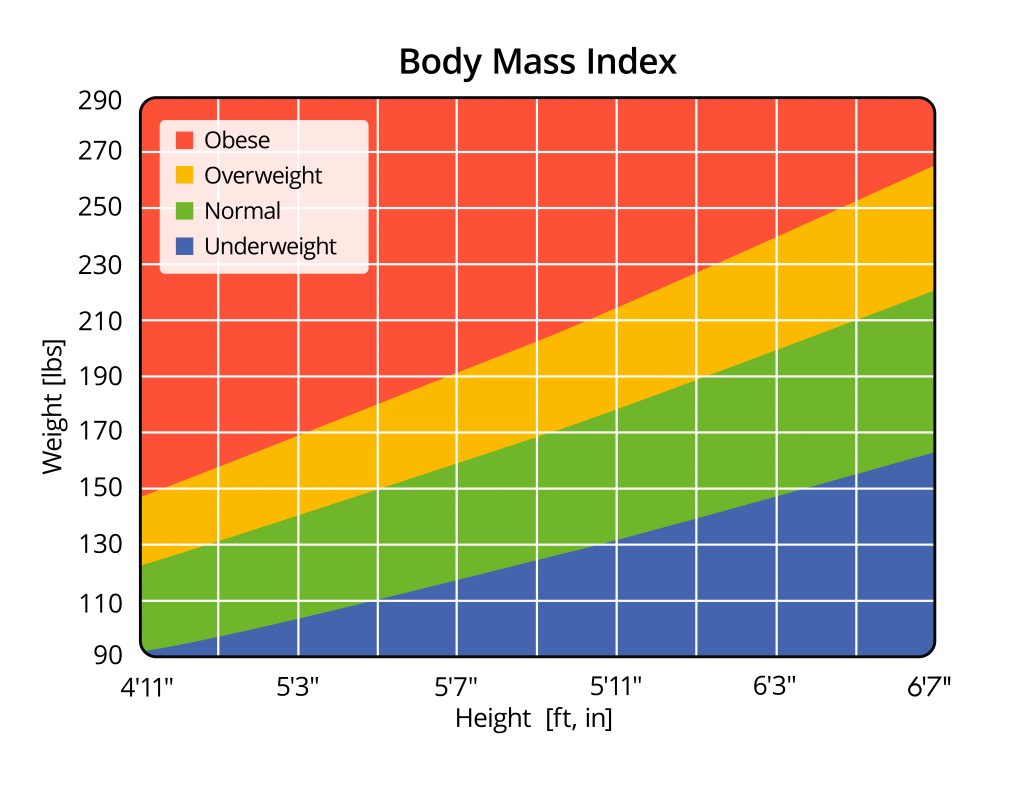
(National Institutes of Health. National Library of Medicine. National Center for Health Statistics, Centers for Disease Control and Prevention, 1990.) (1)
Harvard Health Publishing. Harvard Medical School.
https://www.health.harvard.edu/bmi-calculator
BMI Calculators Online
National Institutes of Health. National Heart, Lung, and Blood Institute.
https://www.nhlbi.nih.gov/calculate-your-bmi
Calculator.net (has male and female tables).
https://www.calculator.net/bmi-calculator.html
Center for Disease Control and Prevention. (has links to several tables).
https://www.cdc.gov/bmi/adult-calculator/index.html
Limitations of BMI
It can vary with age and gender, is less reliable for children, the elderly, and pregnant women. It doesn’t consider muscle mass, bone density, or body composition and can misclassify very muscular individuals, (athletes), as “overweight” because of their high muscle mass.
Best Use of BMI
BMI is best used as an effective, inexpensive screening tool for potential weight issues.
A high BMI is linked to increased risk for high blood pressure, high cholesterol, type 2 diabetes, and other chronic conditions. A low BMI may indicate malnutrition, (also putting the patient at risk during surgery and healing). A BMI of 30 is used as a standard.
Why is There a BMI Cutoff for Plastic Surgery?
Most Board Certified Plastic Surgeons use a BMI of 30 as a common threshold for elective procedures as the risks increase significantly. This is especially true for more complex surgeries like tummy tucks, breast augmentations, or combination procedures. Some clinics might stretch this up to 32 or even 35 if they’re otherwise healthy, or have a mitigating factor, but this is less common and is usually evaluated case by case.
What Are the Risks of Surgery with a High BMI?
Higher BMI is linked to significantly increased risks during and after surgery.
Obesity places extra stress on the heart, lungs and immune system.
Patients with a BMI over 30 are more likely to face complications like, anesthesia related issues, blood clots (including deep vein thrombosis and pulmonary embolism), heart attacks, strokes, infections, and delayed/poor wound healing. (3)
For example, research shows that for every 5-point increase in BMI, the odds of delayed wound healing jump by 77% after breast reduction surgery. (4,5)
Can You Get Surgery with a BMI over 30?
Some practices will work with patients who have a BMI up to 32 or 35, especially for less invasive procedures, but for major body contouring, 30 is usually the recommendation. Every clinic is different, though, so if you’re close to the limit, it’s worth having a frank conversation with your Board Certified Plastic Surgeon.
The Bottom Line
The BMI of 30 requirement isn’t about body shaming—it’s about safety and getting the best possible result. If your BMI is above 30, most surgeons will recommend weight loss before surgery to minimize complications and improve your outcome. It may be an extra step, but it really does make a difference for your health and your results.
If you’re considering plastic surgery it may be recommended that you check your BMI using a calculator, and then have an honest talk with a board-certified plastic surgeon. Together, you will make a decision that is right for you.
References:
(1) National Institutes of Health. National Library of Medicine. National Center for Health Statistics, Centers for Disease Control and Prevention, 1990.
https://www.ncbi.nlm.nih.gov/mesh?Db=mesh&Cmd=DetailsSearch&Term=%22Body+Mass+Index%22%5BMeSH+Terms%5D
(2) Centers for Disease Control and Prevention. About Body Mass Index (BMI).
https://www.cdc.gov/bmi/about/index.html#:~:text=BMI%20for%20screening,in%20children%20and%20dosing%20medications.
(3) Safety of Aesthetic Surgery in the Overweight Patient: Analysis of 127,961 Patients. Varun Gupta, MD, MPH; Julian Winocour, MD; Charles Rodriguez-Feo, MD; Ravinder Bamba, MD; R. Bruce Shack, MD; James C. Grotting, MD; and K. Kye Higdon, MD. Plastic and Reconstructive Surgery 151(4):p 727-735, April 2023. Full article sponsored by (CosmetAssure).
(4) Higher Body Mass Index Linked to Longer Healing Time after Breast Reduction Surgery | ASPS
(5) Impact of Age, Body Mass Index, and Resection Weight on Postoperative Complications in Reduction Mammaplasty Payton, Jesse I. MD1,2; Abraham, Jasson T. MD1,2; Novak, Matthew D. MD1,2; Monsivais, Sharon E. MD1,2; Hammonds, Kendall P. MPH1,2; Altman, Andrew M. MD1,2 Plastic and Reconstructive Surgery 151(4):p 727-735, April 2023.
Leave a Reply